The body as a garden: the idea behind the house
The house manifesto starts from one line: the parts of the body that smell the most are where the most soul gathers. For Gualtieri, civilization has taught us to find strong odors unpleasant, while the house holds that the body is lived like a garden and that its scents mirror who we are. The name comes from the perfumer's grandfather, Vincenzo Parisi, who fertilized his vegetable garden with his own waste. The first fragrances came out in 2014: Bergamask, Boccanera, Brutus, Stercus and Viride.
The fragrances in the collection
Megamare: the sea at its deepest
Megamare is the house's marine fragrance, built around the idea of depth and salt water. The catalog describes it as a journey toward the shores of faraway lands, all the way down to the darkest abysses. The cap holds a seashell from Haiti.
Earth and green: Terroni and Viride
Terroni is a woody oriental inspired by the volcanic lava that forms the earth's crust, with a cap made of volcanic stone. The plant side of the house is Viride, named after the Latin word for "green," which the catalog pairs with the idea of greenness and virility.
Musks, citrus and animalic notes: Seminalis, Stercus and Bergamask
Seminalis is musky and floral, inspired by an aromatic aldehyde linked to biological attraction. Stercus, named after the Latin word for "dung," is musky and woody, and the catalog sums it up in two words: sweet and fecal. The name Bergamask joins Italian bergamot with the scent of freshly hunted prey, and the catalog describes the fragrance as citrusy.
Darkness, leather and awakening: Boccanera, Cuoium, Brutus and Risvelium
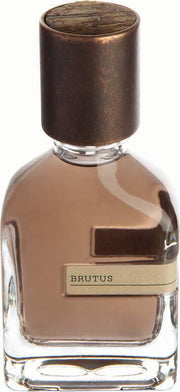
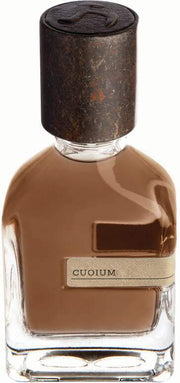
Boccanera, from the Italian for "black mouth," is an oriental that, according to the house, is wrapped in darkness and leaves a spicy aftertaste on the lips. Cuoium is a tribute to leather and its heritage, with a removable cover in vegetable-tanned leather. The name Brutus comes from the Roman senator Marcus Junius Brutus, known, according to the catalog, for his lack of eloquence. Finally, Risvelium is presented as the scent of awakening, a bridge between the ground and the ethereal.
How to choose your first Orto Parisi
If you come from fresh fragrances, start with Bergamask, which is citrusy. If you want a marine scent, there is Megamare. Wood lovers have Terroni, and musk lovers have Seminalis and Stercus. If you prefer green, choose Viride, and if you are after leather, Cuoium.
Frequently asked questions
Who is behind Orto Parisi?
The perfumer behind the house is Alessandro Gualtieri, who signs his creations as The Nose and is also the author of Nasomatto. The name of the house is dedicated to his grandfather, Vincenzo Parisi, and to his vegetable garden, which in the brand manifesto becomes the image of the body.
What does Megamare smell like?
Megamare is a marine, salty fragrance inspired by the depths of the sea. The house describes it through images of abysses and layers of salt water, and the cap holds a seashell from Haiti. It was released in 2019 as a 50 ml extrait.
Why doesn't Orto Parisi list its notes?
It is the author's choice: in its official answers, the house states that The Nose does not reveal the ingredients of his creations. The descriptions speak of themes and images, such as the earth for Terroni or the sea for Megamare, rather than a fragrance pyramid.
What is the difference between Orto Parisi and Nasomatto?
They are two projects by the same perfumer, Alessandro Gualtieri. Nasomatto came first, while the second house arrived with its first fragrances in 2014 and openly works with the scents of the body and the earth.
What does Terroni smell like?
Terroni is a woody oriental fragrance devoted to the earth and to roots. The house presents it with the image of the lava that forms the planet's crust, and the cap contains volcanic stone. It was released in 2017 as a 50 ml extrait.
What does the name Seminalis mean?
The name Seminalis refers to seed and fertilization, and the house presents the fragrance as a stimulus in a bottle, inspired by an aromatic aldehyde linked to biological attraction. The catalog describes it as musky and floral, and it was released in 2016.
Does Stercus really smell fecal?
Stercus has an openly animalic side, and its name comes from the Latin word for "dung." The catalog calls it musky and woody, and the house speaks of a sweetness that draws you in. It is one of the house's first fragrances, released in 2014.
Which one to choose for a leather note?
For a leather note, the right fragrance is Cuoium, which the house dedicates to the heritage of leather. It was released in 2021 and has a removable cover in vegetable-tanned leather. If you prefer a dark, spicy oriental without leather, Boccanera is the one to choose.